Clean water
A burst supply line, a slab leak, a water heater tank or a well pressure tank. Often dried in place when the work starts early.
24/7 water damage restoration in North Port, FL. The restoration team extracts standing water, dries the slab and block walls to the IICRC S500 standard and documents every step for your insurance claim.
(888) 621-2041Water spreading on the slab? Call now.
Slab homes, waterways and septic systems shape how water gets into a house here.
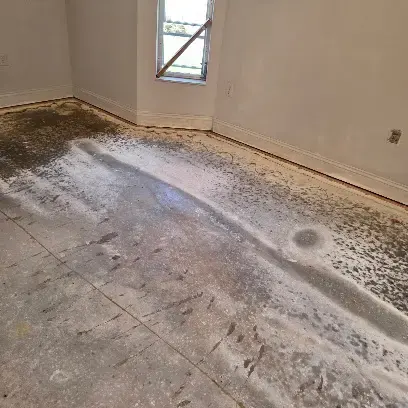
Copper lines under 1980s and 1990s slabs wear through and feed water under tile for weeks. The drying team maps the wet slab and dries it.
Slab leak water damageWhen Myakkahatchee Creek or a city waterway rises, water comes in at the doors. It is Category 3, so ruined drywall and flooring come out first.
Flood water cleanupHomes on septic back up when the drain field floods in the rainy season. The cleanup crew contains, removes and disinfects.
Septic and sewage backupWater and sewage only, from the first pump-out to the last moisture reading.
 1Water ExtractionStanding water pulled off tile, carpet and slab before it wicks into block walls.Details
  2Flood Water CleanupCreek, waterway and storm water treated as Category 3, removed and dried.Details
  3Slab Leak Water DamageWater coming up through the slab, traced, opened and dried from below the floor.Details
  4Burst Pipe CleanupSplit supply lines and failed fittings, extracted and dried inside the walls.Details
  5Roof Leak Water DamageStorm-driven leaks through shingles, tile and flashing, dried in the attic and below.Details
  6Ceiling Leak Water DamageLeaks from a bathroom, line or air handler above, found and dried in place.Details
  7AC Condensate OverflowClogged drain lines and full pans that soak ceilings, closets and baseboards.Details
  8Water Heater FailureGarage and closet tanks that let go, extracted before water reaches the house.Details
  9Washer & Appliance LeaksWasher hoses, dishwashers and ice makers, cleaned up and dried under cabinets.Details
  10Toilet Overflow CleanupOverflows sorted by category, cleaned, disinfected and dried under the tile.Details
  11Septic & Sewage BackupCategory 3 backups from a septic tank or sewer line, contained and removed.Details
  12Well Pressure Tank LeaksPressure tanks and well lines that flood a garage or utility room.Details
  13Structural DryingBlock walls, slab and framing dried to verified readings, not just the surface.Details
  14Commercial Water DamageStorefronts, offices and warehouses along US 41 and the boulevards.Details Not sure which one it is?Describe what you see and where the water came from. The restoration team sorts out the category and the scope on the call. (888) 621-2041
The main valve where the line enters the house, or the well pump breaker in the garage.
Only if the breaker panel and the floor around it are dry. If not, leave it alone.
Water near outlets can carry current, and water from outside or a drain is Category 3.
Every wet room, the waterline and the source.
Rugs, boxes and electronics up off the slab while the water is still on the surface.
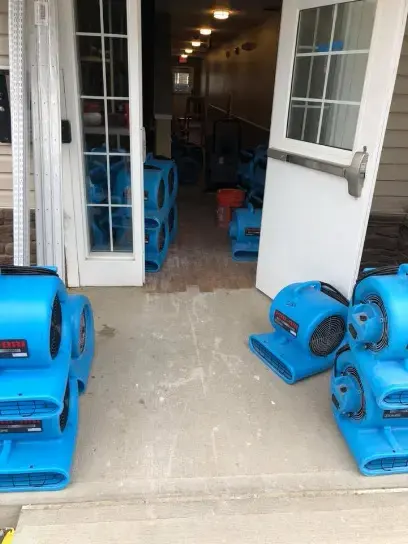
Water moves differently in a North Port house. It spreads across the slab under tile and floating floors, wicks into the bottom of the drywall and soaks into concrete block that dries slowly in humid air.
The restoration team works every part of the city, from new builds in Wellen Park to block homes near Warm Mineral Springs and along the Price Boulevard grid, and dries every job to the IICRC S500 standard.
The response team covers every North Port ZIP, so extraction starts before water soaks into block.
Structural drying, not just surface drying: moisture mapping first, then equipment sized to each room.
Timestamped photos before demolition, the moisture map and daily psychrometric logs for the adjuster.
Slab leaks, garage tanks, pressure tanks and septic backups are everyday North Port work.
What separates a finished dry-out from a cosmetic one is the order of the work.
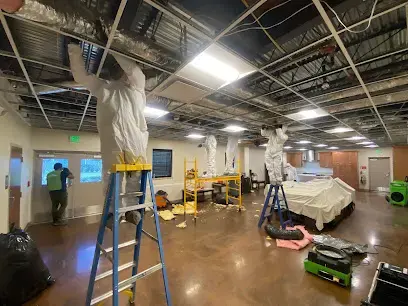
The tech who does the walkthrough maps every wet material, including the slab and block, before any equipment goes down.
Truck-mounted extraction sends standing water out of the building, not into the next room.
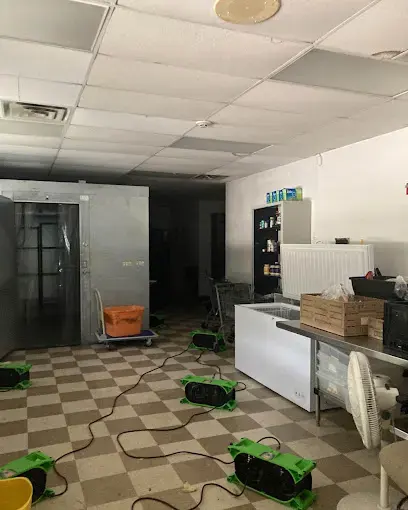
Air movers match each room's evaporation load, and LGR units pull the moisture out of humid Florida air.
Equipment stays until wet materials read within 2 to 4 points of a dry reference in the same house.
Drying goal: within 2 to 4 points of a dry reference, confirmed daily.
Category 1, 2 and 3 water are handled differently, and the source decides which one is in the house.
A burst supply line, a slab leak, a water heater tank or a well pressure tank. Often dried in place when the work starts early.
Washer discharge, a dishwasher or AC condensate that sat. Soaked materials are cleaned or pulled before drying.
Septic and sewer backups and flood water from creeks and waterways. Porous materials get removed, not dried.
See septic and sewage backup cleanupIn North Port, FL, water damage restoration typically runs $1,000 to $20,000 or more. A contained clean-water leak on tile sits at the low end; a flooded slab home or a septic backup sits at the high end. The drivers are the water category, the square footage, the material class and how fast drying started.
$1,000 to $4,000
$4,000 to $10,000
$9,000 to $20,000+
For a planning number on your own loss, use the water damage cost calculator. The walkthrough and the moisture map set the actual scope.
A water claim is decided on the file. The restoration team builds it as the work happens.
Where the water went, measured from day one, not guessed.
Temperature, humidity and material readings every day until the drying goal is met.
Taken before any demolition, with the waterline and the source visible.
The category and class of loss plus a line-item scope in the format adjusters expect.
Sudden and accidental discharge, such as a burst supply line, is treated differently from rising water from a creek or waterway, which falls under flood coverage, and septic backups often need a backup endorsement. Coverage depends on your policy, so it is worth checking with your own insurer.
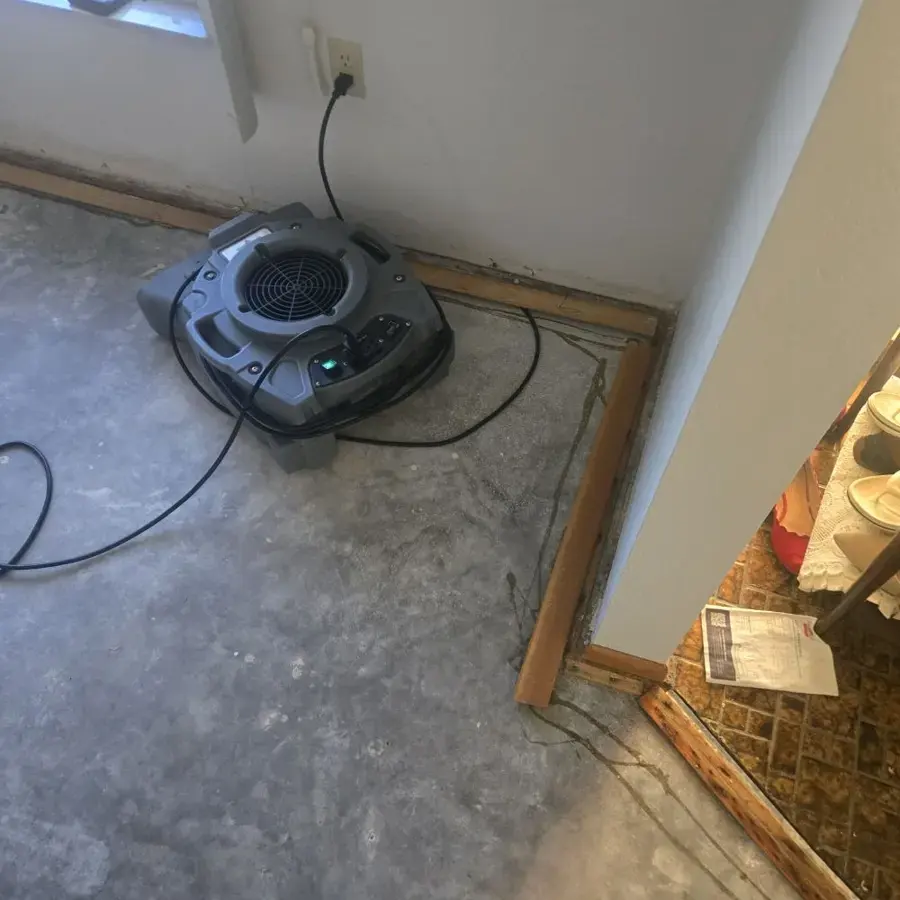
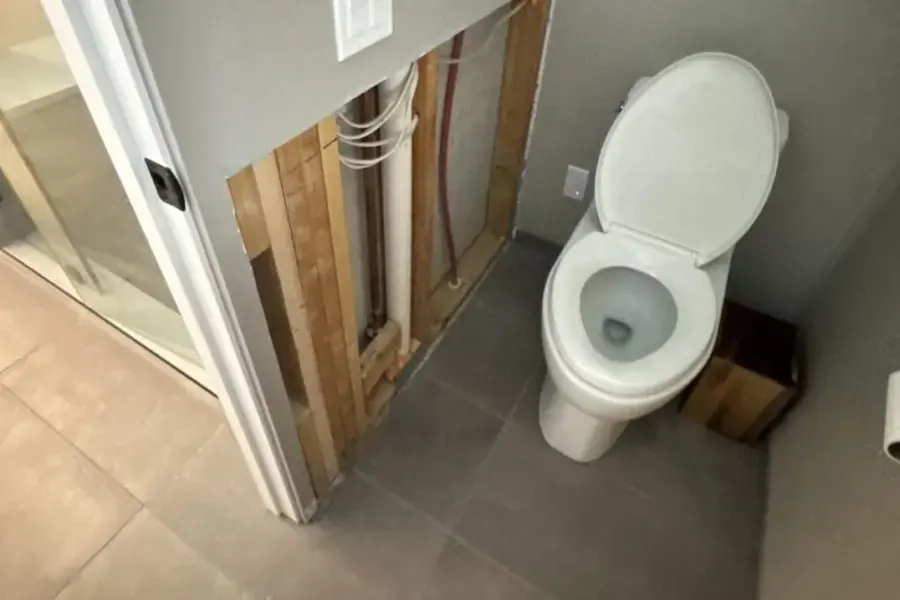
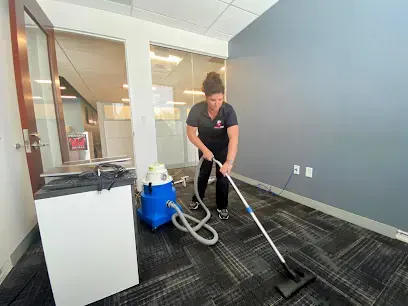
Have three things ready: which rooms are wet, where the water came from, and whether the home is on a well and septic.
North Port's water problems come from its flat, sandy ground, its waterways and the way the city was built.
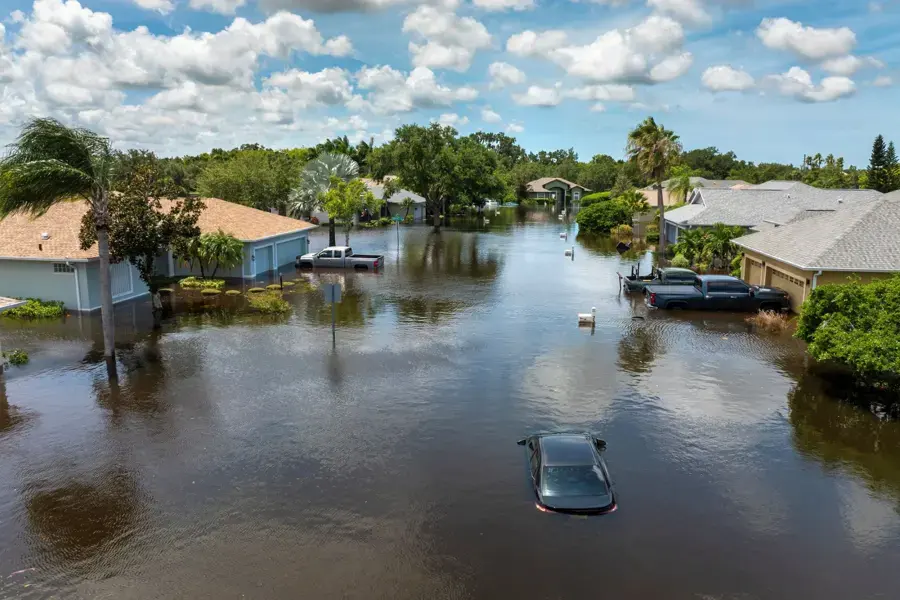
The restoration team works around the clock across North Port and nearby Sarasota County, and emergency water calls are treated as urgent at any hour, including weekends and storm nights.
Slab leaks under older concrete floors, supply lines and fittings, air conditioner condensate overflows, water heaters in the garage, septic backups in the rainy season and flooding from creeks and waterways during tropical storms.
Sudden and accidental water, such as a burst supply line, is commonly covered after the deductible. Rising water from outside falls under flood insurance, and septic backups often need a backup endorsement. Coverage depends on your policy, so it is worth checking with your own insurer.
It is the industry standard for water damage restoration. It covers how water is categorized, how a loss is classified, how drying is done and how it is verified with readings.
A contained Class 1 loss usually dries in three to five days. Block, slab and hardwood take longer, and the equipment leaves on readings, not a set date.
Shut the main or the well pump, cut power to wet circuits if the panel is dry, stay out of water near outlets, photograph everything, lift rugs and belongings, then call.
Sewage is Category 3 the moment it happens. Porous materials it touched are removed, not dried, and the crew works with containment, protective gear and an EPA-registered antimicrobial.
By the water category, the square footage, the material class, how much has to be removed and how many days the drying equipment runs. How fast drying started often makes the biggest difference.
Standing water spreads under flooring and into block walls. Extraction tonight keeps the job smaller.